
Build a stronger Peterbilt 220 preventive maintenance program to reduce fleet downtime. Learn which systems need routine attention and how scheduled inspections can catch wear before it interrupts routes.
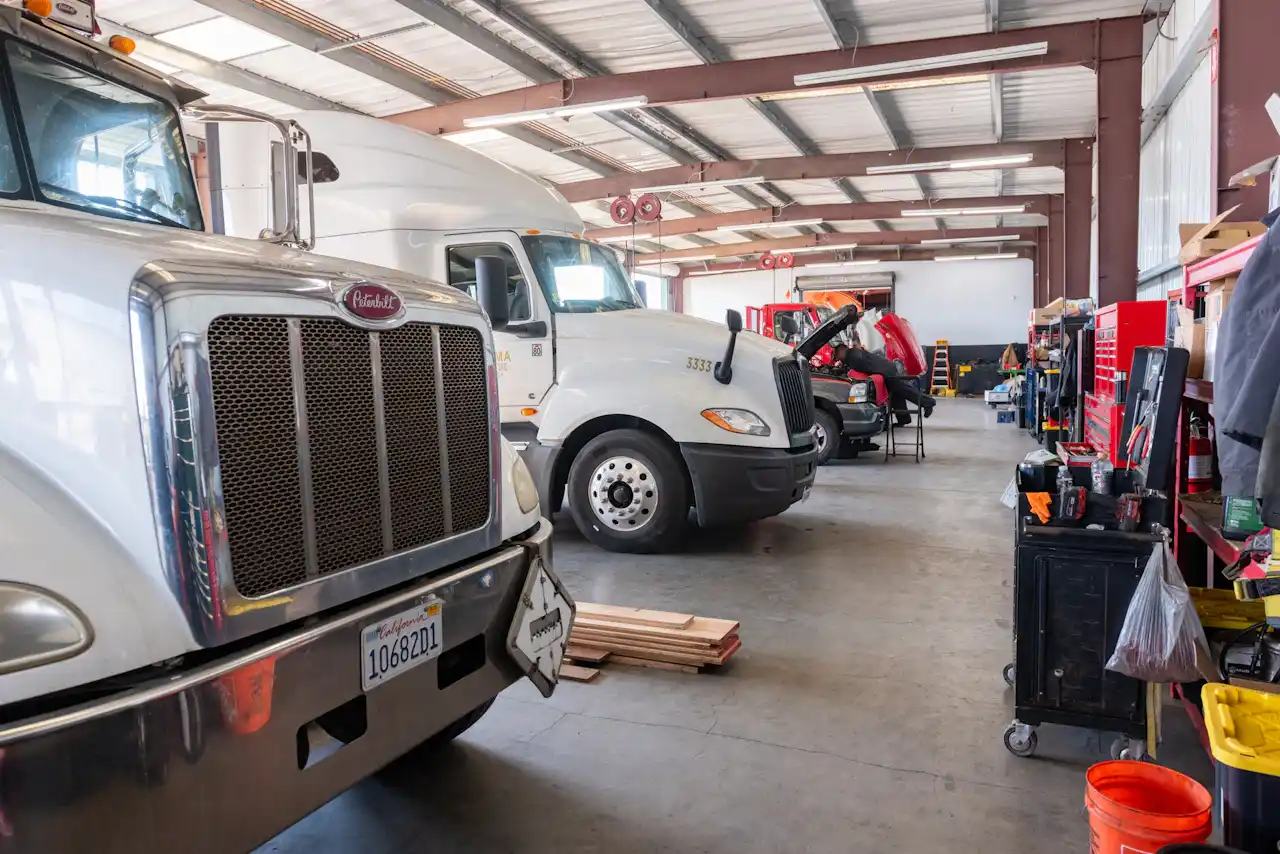
The Peterbilt 220 is built for demanding medium-duty work, including pickup and delivery, beverage, and refuse applications. Its Class 6 or 7 configuration, PACCAR PX-7 engine, and cabover design make it well suited for fleets that spend much of the day making stops, maneuvering through tighter areas, and staying on scheduled routes.
That workload also means maintenance cannot become an afterthought. A structured preventive maintenance program gives fleet managers a planned opportunity to find developing wear, complete routine service, and correct smaller problems before a Peterbilt 220 loses productive time.
Build Maintenance Around Actual Usage
A good Peterbilt 220 maintenance schedule should reflect how each truck works. Mileage matters, but engine hours, idle time, stop frequency, seasonal conditions, and payload demands can change how quickly components need attention.
PACCAR specifically notes that some operating conditions require shorter engine maintenance intervals, including frequent stops, dusty environments, and extreme temperatures. That makes duty cycle especially important for delivery and vocational fleets.
Fleet managers should track:
- Mileage between services
- Engine hours and idle time
- Route and stop frequency
- Seasonal operating conditions
- Previous inspection findings
- Recurring repairs by unit
Tracking this information makes it easier to adjust service intervals instead of applying one schedule to every truck.
Inspect the Cooling System Early
Cooling system problems can quickly turn a manageable repair into extended downtime. Routine inspections should check coolant condition, hoses, belts, the radiator, water pump, fan clutch, and signs of active or developing leaks.
Pressure testing can also reveal problems that may not be obvious during a basic visual inspection. Strong preventive maintenance strategies emphasize finding cooling system weaknesses while the truck is already in the shop.
North Dakota fleets should give the cooling system added attention around seasonal changes. Summer heat and winter cold place different demands on hoses, coolant, batteries, and other systems.
Keep Brakes on the PM Checklist
Peterbilt lists air brakes on the Model 220, with front disc and rear drum configurations shown in its current specifications. Brake maintenance should therefore focus on the actual air brake components installed on the truck rather than passenger-vehicle components such as brake fluid or wheel cylinders.
A preventive inspection may include:
- Brake chambers
- Slack adjusters
- S-cams where equipped
- Drums and related hardware
- Air lines and connections
- Brake adjustment and wear
Catching uneven wear, air leaks, or damaged hardware during scheduled maintenance gives the fleet more control over when the repair takes place.
Check Batteries and Electrical Connections
Repeated stops and starts can put additional demands on a truck's electrical system. Batteries, cables, terminals, charging performance, lighting, and visible wiring should receive regular attention instead of waiting for a starting complaint.
Battery and connection checks become even more valuable before colder North Dakota weather arrives. Low temperatures can expose marginal batteries or connections that seemed acceptable through warmer months.
Electrical findings should also be recorded by unit. A truck with repeated battery, cable, lighting, or charging issues may need deeper diagnosis instead of another isolated repair.
Service Fluids and Filters Consistently
Oil and filter changes are basic parts of fleet maintenance, but they should also create an opportunity to inspect the truck more closely. Technicians can look for leaks, unusual fluid conditions, damaged hoses, loose hardware, and other developing concerns while the vehicle is already being serviced.
Peterbilt designed the Model 220 with accessible routine maintenance points, which can help simplify regular servicing.
Fluid and filter schedules should still follow the requirements for the specific truck, engine, components, and duty cycle. Avoid extending an interval simply because the truck has not yet shown obvious symptoms.
Include Steering and Suspension Wear
Frequent turns, deliveries, road imperfections, and repeated loading can gradually affect steering and suspension components. Fleet PM inspections should look for wear before changes in handling or tire condition become severe.
Useful inspection points include:
- Leaf springs and hardware
- Bushings
- Shocks
- Steering linkage
- Wheel bearings
- Tire wear patterns
Uneven tire wear can provide an early clue that alignment, steering, or suspension conditions need attention. Finding the cause early can protect additional components and reduce avoidable tire expense.
Track Problems Between PM Services
Drivers can help make the maintenance program more effective by reporting changes before the next scheduled service. Warning lights, unusual noises, difficult starting, changes in braking, steering concerns, fluid leaks, or loss of power all provide useful information.
A strong fleet PM program also depends on recordkeeping and comparing scheduled work with unscheduled repairs. Those records help fleets identify recurring problems and adjust maintenance frequency where needed.
The goal is not to increase maintenance unnecessarily. It is to make scheduled service more useful by responding to what each Peterbilt 220 is actually experiencing.
Prepare for North Dakota Seasons
North Dakota fleets operate through heat, freezing temperatures, road salt, rain, and changing road conditions. Seasonal inspections can complement normal mileage-based service by targeting problems that become more important at certain times of year.
Before winter, batteries, charging systems, coolant protection, belts, hoses, lighting, and starting performance deserve additional attention. Spring inspections can focus more closely on corrosion, suspension wear, leaks, and damage that developed during winter operation.
Planning those inspections before weather changes gives managers more flexibility to schedule repairs instead of reacting after trucks begin showing problems.
Measure Downtime, Not Just Maintenance
A PM program should help fleet managers understand whether scheduled maintenance is reducing unscheduled work. Track road calls, breakdowns, repeat repairs, out-of-service time, and repairs discovered during scheduled inspections.
Preventive maintenance programs are intended to shift more work toward planned servicing and away from reactive breakdown repairs.
If the same failures continue appearing between scheduled services, the fleet may need to change the inspection checklist or shorten the interval for affected trucks.
Schedule Peterbilt Preventive Maintenance Today
A better Peterbilt 220 preventive maintenance program combines scheduled service with inspections based on mileage, operating conditions, and each truck's repair history. Consistency can help fleets catch developing problems sooner and reduce interruptions to daily routes.
Freedom Truck Repair provides preventive maintenance for commercial fleets across North Dakota. Our experienced technicians inspect critical truck systems and help fleet managers address developing concerns before they lead to avoidable downtime.
For another seasonal maintenance priority, learn why truck fleets should schedule electrical inspections before fall.
News & Articles
Read About The Latest in Industry
Here, you'll find regular articles covering a wide range of topics related to diesel repair, maintenance, and troubleshooting.
.webp)
%20(1).webp)
.avif)
.avif)
.avif)
.avif)
.avif)
.avif)


Testimonials
Contact Freedom Truck Center
Freedom Truck Center proudly provides expert commercial truck repair and fleet services from our shop in Hazen, North Dakota & via mobile service along I94, HWY's 200, 49, & 83, including Dickinson, Minot, Beulah, & Bismarck. Contact us with any questions, to request a quote, and to schedule service.