
Mobile crane and boom inspections help fleet owners identify equipment defects, address safety concerns, and support regulatory compliance. Regular inspections can reduce unexpected downtime and protect crews during lifting operations.
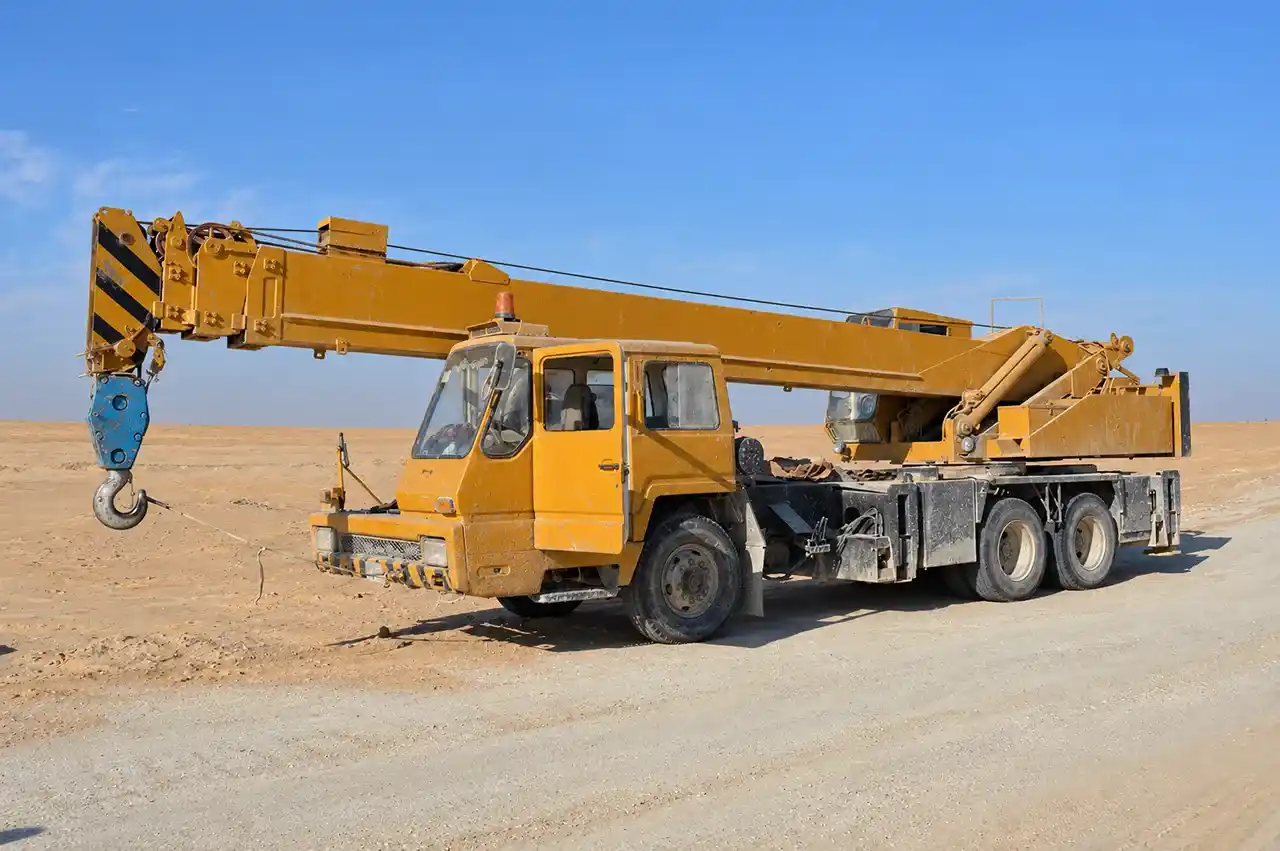
Your boom truck can arrive at a job site without a mechanical problem and still be unsafe to lift. A worn pin, damaged hydraulic hose, or unstable outrigger may not reveal itself until the equipment is under load. That is why mobile crane and boom inspections matter. Timely checks help protect crews and schedules.
Why Are Mobile Crane and Boom Inspections Important?
A working engine and responsive controls do not tell you whether a crane is ready to lift safely. The structure, lifting mechanisms, hydraulic circuits, stabilizers, and protective devices must all perform as intended.
Freedom Truck Center offers mobile crane and boom inspections from Hazen, ND, to help commercial operators identify equipment defects and document concerns that need attention. A crane safety inspection supports maintenance decisions without guaranteeing against future failures.
Reviewing crane inspection fundamentals helps distinguish a quick walkaround from a thorough condition assessment.
What Does a Mobile Crane and Boom Inspection Include?
Inspection scope depends on equipment design, manufacturer instructions, and applicable requirements. Truck-mounted lifting cranes and aerial work platforms require different checks.
Typical inspection points include:
- Boom Structural Inspection: Look for visible cracks, bent members, corrosion, damaged welds, loose fasteners, and wear around pins or joints.
- Hydraulic System Inspection: Examine cylinders, hoses, fittings, and connections for seepage, abrasion, deterioration, or damaged components.
- Wire Rope Inspection: Check applicable ropes, hooks, sheaves, hoists, and lifting attachments for wear, damage, or improper condition.
- Outrigger Inspection: Examine stabilizer legs, pads, support structures, and mounting points for defects that could affect stability.
- Crane Controls and Safety Devices: Evaluate relevant control functions, warning indicators, interlocks, and load-monitoring devices when equipped.
- Rotation and Boom Movement: Observe applicable swing, extension, and lifting functions for binding, irregular movement, or unusual noise.
- Identification and Records: Review applicable load charts, warning labels, previous findings, and maintenance information that may affect inspection decisions.
Findings may require detailed examination or functional checks. Load testing, repairs, and specialized tests are not automatically included.
How Often Do Cranes and Booms Need Inspection?
There is no single inspection interval for every boom-equipped vehicle. The crane inspection schedule depends on the machine's use, applicable rules, and manufacturer instructions.
Construction Crane Inspection Requirements
For cranes covered by OSHA's construction standard, 29 CFR 1926.1412, a competent person performs a visual inspection each shift the equipment is used and a documented monthly inspection. A qualified person must conduct an annual crane inspection at least every 12 months, including the comprehensive checks required by that standard.
Additional checks may follow safety-related repairs, modifications, severe service, or extended inactivity. More demanding manufacturer instructions also apply.
General-Industry Truck Crane Inspection Intervals
Truck cranes used in general-industry settings may fall under OSHA 29 CFR 1910.180 instead. That rule distinguishes frequent daily-to-monthly checks from periodic one- to twelve-month inspections based on service conditions.
Confirm the machine's classification before applying a construction-crane checklist elsewhere.
Aerial Lift and Bucket Truck Inspections
Bucket trucks that elevate personnel do not automatically follow material-handling crane rules. Applicable aerial-lift standards, such as 29 CFR 1910.67 or 1926.453, and manufacturer instructions govern their checks.
For example, bucket truck boom inspections include attention to structural condition, controls, safety mechanisms, and hydraulic systems. Applicable aerial lifts also require daily checks of the lift controls before use. Insulated aerial devices can require specialized testing by qualified personnel.
What Warning Signs Mean a Crane or Boom Needs Attention?
Some defects show during a walkaround; others appear when the operator sets up or moves the boom.
Stop lifting and seek an appropriate evaluation when you notice:
- Cracks, bending, excessive rust, or damaged boom welds
- Hydraulic leaks, hose damage, or a boom that drifts under load
- Outriggers that fail to extend, retract, or support the machine correctly
- Frayed wire rope, damaged hooks, or unusual wear at lifting points
- Jerky movement, unexpected vibration, grinding, or abnormal noises
- Failed alarms, erratic controls, or malfunctioning safety devices
A drivable truck is not necessarily safe to lift with. Equipment with a confirmed safety hazard must remain out of service until corrected.
How Can Regular Inspections Help Prevent Fleet Downtime?
Inspections can reveal a deteriorating hose or worn joint in time to plan repairs and coordinate parts rather than react to an unexpected failure.
The same principle applies to Peterbilt 220 preventive maintenance planning: schedules should reflect actual usage and repair history. For crane-equipped units, track engine hours, lift cycles, and job-site conditions where applicable.
Build a practical preventive maintenance schedule by:
- Recording each unit's model, serial number, location, and inspection dates.
- Tracking operating hours, heavy lifts, repeated defects, and unusual events.
- Coordinating inspections with planned fleet maintenance when possible.
- Scheduling repairs based on findings instead of waiting for a failure.
- Keeping reports accessible to operators, mechanics, and fleet managers.
Freezing temperatures and dusty job sites make consistent inspections valuable around Hazen, Beulah, Bismarck, Dickinson, and Minot.
What Should You Do After an Inspection Identifies a Problem?
Review the written findings. Crane inspection documentation should identify the equipment, date, items checked, defects, and required inspector details. For covered construction cranes, retain monthly records for at least three months and annual reports for at least 12 months.
Prioritize safety hazards, document corrective work, and complete required follow-up inspections before returning affected equipment to service.
Safe lifting starts with the right inspection schedule, clear records, and timely corrective work. An inspection report never overrides unsafe conditions or operating limits.
Schedule Mobile Crane and Boom Inspections in Hazen, ND
Freedom Truck Center offers mobile inspections in central North Dakota through a recently certified technician, backed by heavy-duty mechanical and hydraulic experience. Confirm your equipment type, inspection scope, and location when scheduling.
News & Articles
Read About The Latest in Industry
Here, you'll find regular articles covering a wide range of topics related to diesel repair, maintenance, and troubleshooting.




Testimonials
Contact Freedom Truck Center
Freedom Truck Center proudly provides expert commercial truck repair and fleet services from our shop in Hazen, North Dakota & via mobile service along I94, HWY's 200, 49, & 83, including Dickinson, Minot, Beulah, & Bismarck. Contact us with any questions, to request a quote, and to schedule service.
Contact Information
Phone Number
701-748-9930Hours
8:00AM - 5:30PM